As businesses move towards sustainable packaging, jute bags and paper bags have become popular alternatives to conventional plastic packaging. Both materials offer environmental benefits, but they differ in durability, reusability, appearance and long-term value.
So, when comparing jute vs paper bags, which option is more eco-friendly? The answer depends on how the bags are produced, used, reused and disposed of.
Jute Bags: A Durable and Reusable Choice
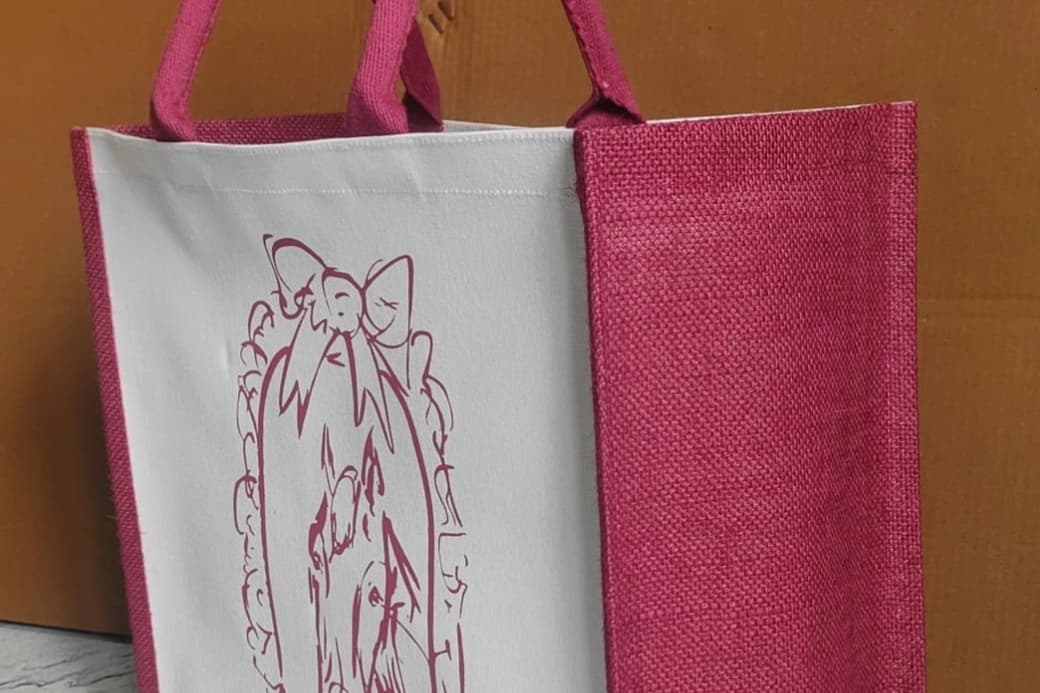
Jute is a natural plant fibre that is renewable and biodegradable. Jute bags are known for their strength and durability, making them suitable for repeated use.
Unlike single-use packaging, a good-quality jute bag can be used many times for shopping, gifting, events, corporate promotions and product packaging. This reusability can help reduce the demand for disposable bags.
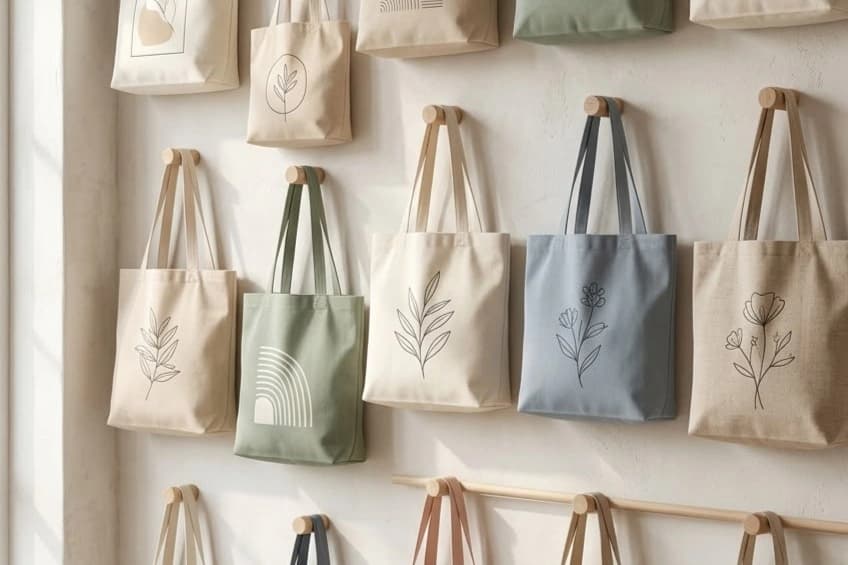
Jute also has a natural texture and appearance, making it an attractive option for businesses looking to combine sustainability with premium presentation. Bags can be customised with logos, brand messages, colours and designs for corporate and promotional requirements.
Paper Bags: Lightweight and Recyclable
Paper bags are another widely used sustainable packaging option. They are lightweight, easy to customise and can be recycled through appropriate paper recycling systems.
They are particularly useful for retail stores, takeaway packaging, events, and short-term promotional activities. Paper bags can also be produced in a variety of sizes, colours, finishes and styles.
However, paper bags are generally less durable than jute bags, especially when exposed to moisture or heavy loads. As a result, they may be used fewer times before being discarded or recycled.
Which Is More Eco-Friendly?
There is no single answer for every application. Paper bags can be an effective choice for lightweight, short-term packaging, particularly where recycling facilities are readily available.
Jute bags, on the other hand, offer an important advantage through long-term reusability and durability. When a jute bag is repeatedly used instead of disposable packaging, its environmental value can increase over its lifespan.
For businesses seeking packaging that combines reusability, durability, natural aesthetics and branding opportunities, jute can be a practical sustainable option.
Choose the Right Bag for Your Business
The best packaging material depends on your product, budget, usage requirements, branding goals and sustainability objectives. Paper bags can work well for everyday retail packaging, while jute bags are particularly suitable for corporate gifting, events, premium packaging and reusable promotional campaigns.
For B2B buyers, choosing a reliable supplier and selecting the right material, size, construction and customisation options are equally important.
Conclusion
Both jute and paper bags can support more sustainable packaging practices when used appropriately. Jute bags stand out for their strength, reusability and long-term applications, while paper bags offer lightweight, recyclable packaging for many everyday uses.
For businesses looking beyond single-use packaging, reusable jute bags can provide a durable and brand-friendly solution while supporting a more sustainable packaging strategy.
admin
Providing deep insights into sustainable packaging, eco-friendly business practices and the jute manufacturing industry.