As businesses look for practical, distinctive, and customizable packaging solutions, private label jute bags have become an increasingly useful option for brands across retail, hospitality, corporate gifting and other industries.
Jute bags combine natural aesthetics with everyday functionality, while private labeling allows businesses to customize the product with their own branding. This makes them suitable not only as packaging but also as a long-term brand visibility tool.
Whether you are a retailer, importer, wholesaler, or established brand, understanding how private label jute bags work can help you make better sourcing and branding decisions.
What Are Private Label Jute Bags?
Private label jute bags are jute-based bags manufactured or customized for a specific business and sold under that business's brand name.
Unlike generic bags, private label products can be customized according to the buyer's requirements. Depending on the manufacturer, customization may include:
- Brand logo and name
- Colors and patterns
- Bag size and shape
- Handles
- Printing and embroidery
- Linings
- Closures
- Pockets
- Labels and tags
- Packaging
- Product specifications
This allows businesses to create bags that align closely with their existing brand identity.
Why Choose Jute Bags for Private Label Products?
Natural and Distinctive Appearance
Jute has a recognizable natural texture that can give packaging a premium, traditional, or handcrafted appearance. This makes it particularly suitable for brands looking for an alternative to conventional plastic or synthetic packaging.
Reusable and Practical
A well-made jute bag can be reused for shopping, storage, travel, gifting, or everyday carrying. Reusability can extend the period during which a customer's interaction with the brand continues.
Strong Branding Potential
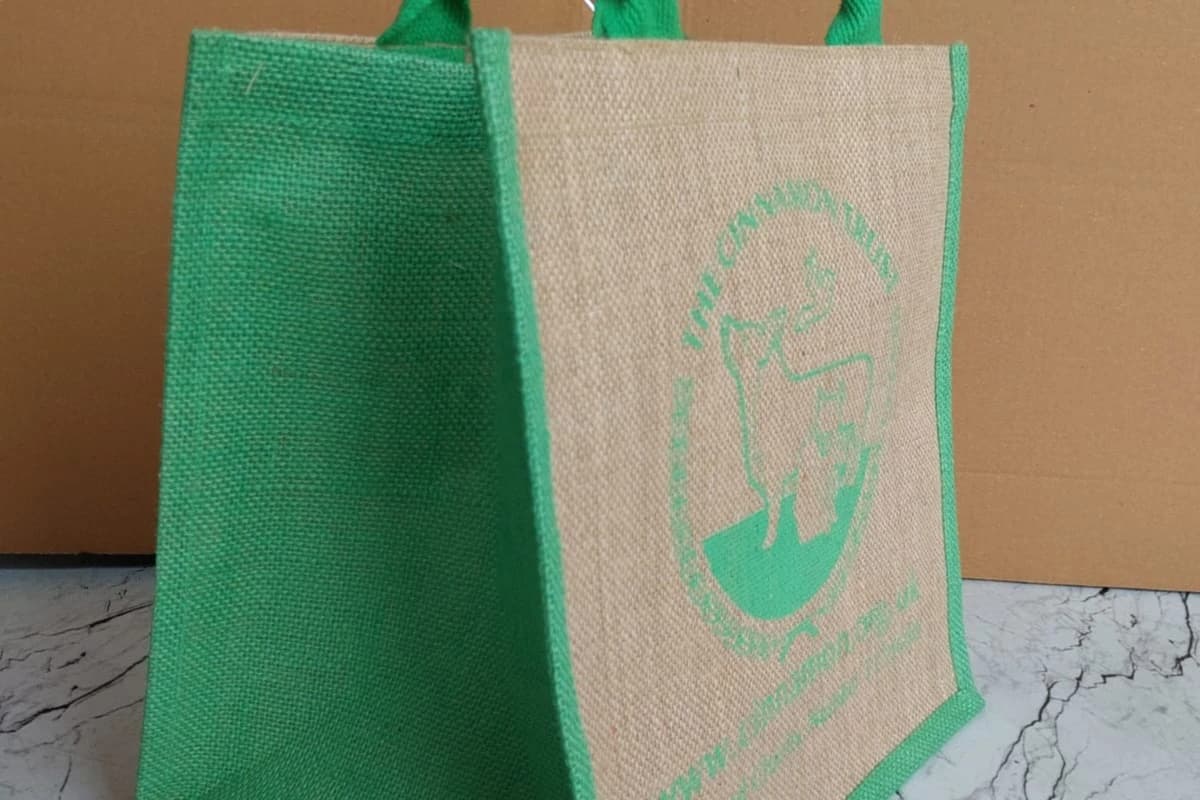
The woven surface of jute provides opportunities for different branding approaches, including screen printing, digital printing, labels, patches and other embellishments, depending on the bag construction and manufacturer's capabilities.
Who Can Benefit From Private Label Jute Bags?
Private label jute bags can be used across several B2B sectors.
Retail Brands
Retailers can use customized jute bags as shopping bags or premium packaging. A branded bag can continue promoting the store after the customer leaves.
Food and Grocery Businesses
Grocery stores, specialty food brands, bakeries and food retailers can use jute bags for product packaging, gift hampers, and promotional campaigns.
Corporate Gifting Companies
Jute bags can be incorporated into corporate gift sets containing notebooks, bottles, food products or other promotional merchandise.
Hotels and Hospitality Businesses
Hotels, resorts, and event organizers can customize jute bags for guest welcome kits, conferences and special occasions.
Exporters and Importers
Private labeling allows importers and distributors to develop products under their own brand rather than relying exclusively on generic manufacturer branding.
Types of Private Label Jute Bags
The right bag depends on its intended use and target market.
Jute Tote Bags
Simple and versatile, tote bags are suitable for retail, promotional campaigns, events and everyday use.
Laminated Jute Bags
Lamination can provide additional structure and may improve resistance to moisture and surface wear. These bags are commonly considered for retail packaging and shopping applications.
Jute Gift Bags
Smaller jute bags can be designed for corporate gifts, wedding favours, premium products and festive packaging.
Jute Bottle Bags
Bottle bags are useful for wineries, beverage companies, gift hampers, hospitality businesses and corporate gifting.
Customized Shopping Bags
Larger jute shopping bags can accommodate multiple products and provide a larger surface for brand communication.
Customization Options
One of the biggest advantages of private labeling is flexibility.
Before placing an order, businesses should discuss the following specifications with their manufacturer:
Size: Define the exact dimensions based on the products the bag needs to carry.
Material: Jute quality, weave, thickness, and construction can affect appearance and durability.
Handles: Options may include jute rope, cotton webbing, fabric handles or other materials.
Printing: Discuss available printing techniques and determine which option provides the desired appearance and durability.
Lining: Depending on the application, businesses may choose an unlined bag or add an inner lining.
Closures: Zippers, buttons, Velcro, drawstrings or open-top designs may be available.
Labels: Woven labels, printed labels, hang tags and other branding elements can reinforce brand identity.
How to Choose a Private Label Jute Bag Manufacturer
Selecting the right supplier is critical, particularly for large B2B orders.
Consider factors such as:
- Manufacturing experience
- Product range
- Customization capabilities
- Material quality
- Printing quality
- Sampling process
- Minimum order quantity
- Production capacity
- Quality-control procedures
- Packaging options
- Delivery timelines
- Export experience, where relevant
Do not evaluate suppliers solely on the lowest quoted price. Differences in material, stitching, printing, finishing, packaging and quality control can significantly affect the final product.
Why Sampling Matters
Before approving a large production run, request a physical sample whenever possible.
Inspect:
- Jute texture
- Stitching
- Handle strength
- Dimensions
- Printing accuracy
- Colour consistency
- Lining
- Closures
- Overall finishing
A sample allows you to identify potential problems before committing to a large order.
Private Label Jute Bags for Brand Building
A private label jute bag can serve two purposes at once: product packaging and brand marketing.
For example, a retail customer may purchase a product in a customized jute bag. Instead of throwing the bag away, they may reuse it for shopping, storage or travel.
Every additional use creates another potential brand touchpoint.
For this reason, businesses should consider the bag's long-term usability when developing their design.
A simple logo, consistent brand colors and a clean design can often create a more professional appearance than an overcrowded layout.
Cost Considerations
The final cost of a private label jute bag depends on several factors, including:
- Bag size
- Jute quality
- Order quantity
- Printing method
- Number of print locations
- Handles
- Lining
- Closures
- Accessories
- Packaging
- Custom labeling
- Shipping requirements
Larger orders may offer better unit economics but businesses should balance quantity with realistic demand and storage capacity.
Conclusion
Private label jute bags offer businesses a combination of customization, functionality, and distinctive natural styling. They can be used as retail packaging, corporate gifts, promotional merchandise, event bags and everyday reusable products.
The most successful private label projects begin with a clear understanding of the target customer, product requirements, branding objectives and quality expectations.
By choosing the right design, materials, customization options, and manufacturing partner, businesses can create jute bags that do more than carry products—they can become a recognizable extension of the brand.
Whether you are launching a new private label collection or looking for customized packaging for an established business, jute bags provide a flexible platform for creating branded products with practical everyday value.