
When choosing a backpack, we often consider style, comfort, durability and price. But if sustainability matters to you, another question is important: Is a canvas backpack or a leather backpack better for the environment?
The answer isn't completely straightforward. Both materials have environmental advantages and disadvantages, and the most sustainable choice often depends on how the backpack is made and how long you use it.
Canvas Backpacks
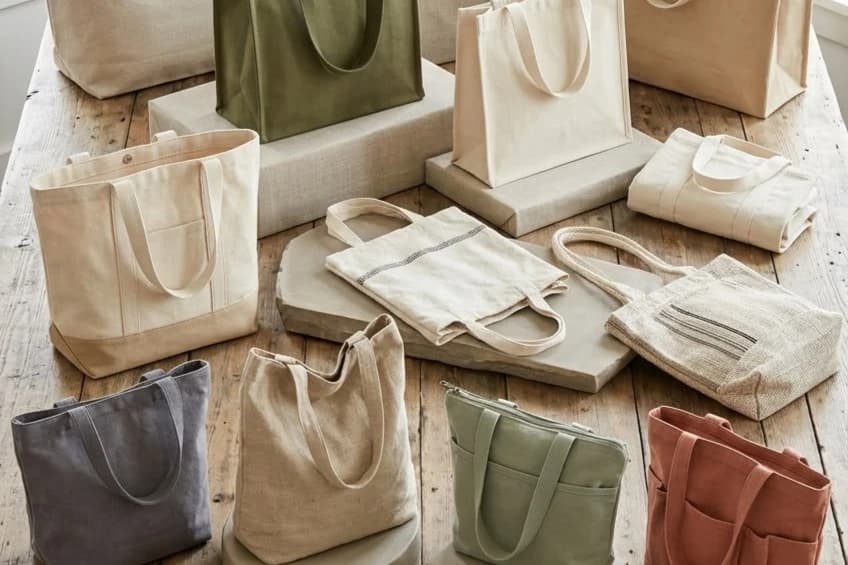
Canvas is usually made from cotton, although it can also be produced from hemp, linen, recycled fibres or synthetic blends. Canvas backpacks are popular because they are lightweight, durable, versatile and relatively easy to repair.
However, cotton production can require significant amounts of land, water, energy and agricultural inputs. The fabric also requires processing, dyeing and manufacturing before it becomes a backpack.
Choosing a durable canvas backpack made with responsibly sourced or recycled materials can help reduce its environmental impact. Most importantly, using the backpack for many years makes it a more sustainable purchase.
Leather Backpacks
Leather is valued for its strength and longevity. A well-made leather backpack can last for many years and can often be repaired or maintained instead of being replaced.
However, leather has a more complex environmental footprint. It comes from animal hides, so its overall impact can include livestock production as well as the energy, water and chemicals used during tanning and finishing. Leather Working Group's life-cycle assessment found that upstream farming and slaughtering accounted for a substantial share of the global-warming impact in the leather production system.
Responsible manufacturing and better environmental management at tanneries can help reduce these impacts.
Which One Is More Sustainable?
If you want to avoid animal-derived materials, a high-quality canvas backpack is generally the more obvious choice.
However, durability is extremely important. A cheap canvas backpack that needs to be replaced every two years may be less sustainable than a high-quality leather backpack that lasts for ten or fifteen years.
The best approach is therefore to choose a backpack that is:
- Durable and well constructed
- Repairable rather than disposable
- Made with responsibly sourced materials
- Designed for long-term use
- Maintained instead of frequently replaced
Final Verdict
There isn't a simple winner between canvas and leather.
Canvas can be a great sustainable choice, particularly when it is durable, responsibly produced, and used for many years. Leather can also be a long-lasting option, but its environmental footprint includes the impacts of livestock production and tanning.
Ultimately, the most environmentally friendly backpack is the one you buy less often, take care of, repair when necessary and use for as long as possible.
admin
Providing deep insights into sustainable packaging, eco-friendly business practices and the jute manufacturing industry.